Blog

Enhancing Production Reliability with Automated Quality Inspection

Posted


Enhancing Production Reliability with Automated Quality Inspection

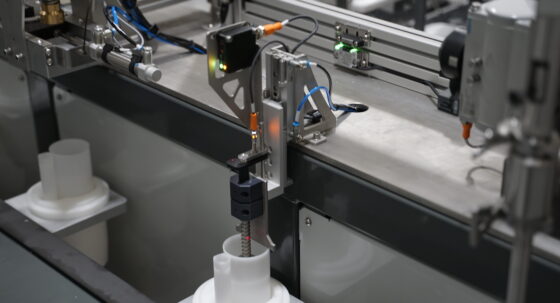
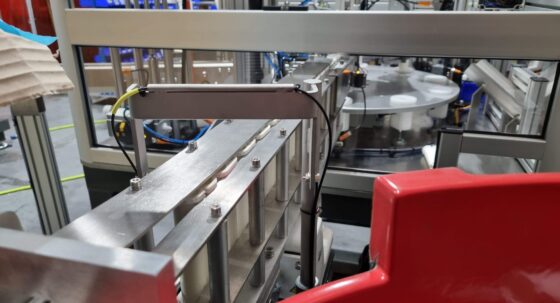
In modern manufacturing environments, efficiency alone is no longer enough. Consistency, traceability, and quality assurance are equally critical—particularly in industries handling adhesives and sealants. At Grunfeld, we recognise that true automation goes beyond filling; it extends to how quality is monitored, verified, and recorded throughout the entire process.

Read more

Void-Free Filling and Correct Piston Insertion

Posted

Void-Free Filling and Correct Piston Insertion

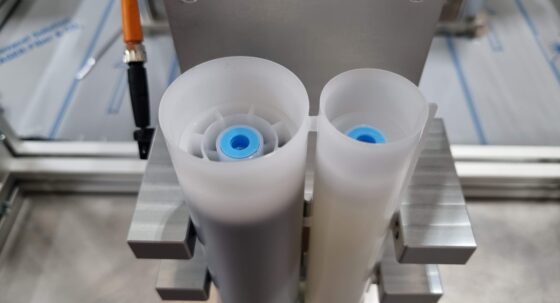
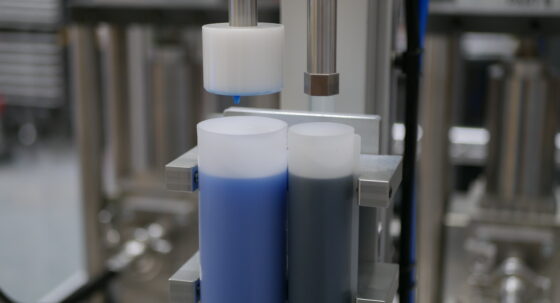
For many adhesive and sealant applications, ensuring void-free material within the cartridge is critical.

In single-component sealant applications, an air bubble can create a void in the bead, requiring retooling.

In two-component adhesive applications, an air bubble may cause a ratio imbalance, leading to soft spots in the bond.

Read more

Bulk Material Supply: Presses vs. Pumps

Posted

Bulk Material Supply: Presses vs. Pumps

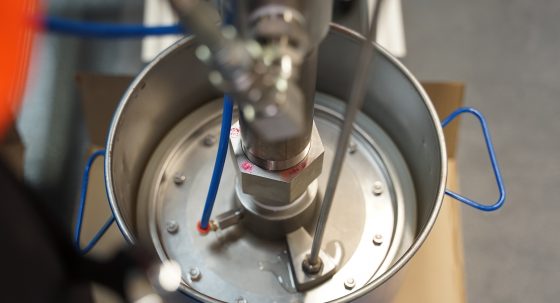
When filling or packing viscous products, bulk material is typically supplied to the filling line using either a hydraulic discharge press or a pump. Each method offers distinct advantages and limitations, and selecting the right system depends on both process requirements and facility layout.

Read more

Understanding Servo Dosing Systems: Advantages, Configurations, and Alternatives

Posted

Understanding Servo Dosing Systems: Advantages, Configurations, and Alternatives

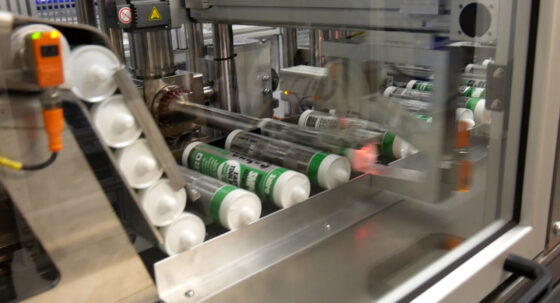
Servo dosing is a term we use frequently, and for good reason. Put simply, servo dosing refers to a system where the dosing piston is driven by a linear actuator, which in turn is powered by a servo motor. This approach offers high levels of precision, repeatability, and control—key requirements in modern automated filling systems.

Read more

Rear Filling vs. Front Filling for 2-Component Cartridges

Posted

Rear Filling vs. Front Filling for 2-Component Cartridges

When it comes to semi-automatic filling of 2-component cartridges, there are two commonly used methods: rear filling and front filling. Each approach has its own advantages, limitations, and best-use cases.

Read more

Investing in a New Filling Line? Key Considerations…

Posted

Investing in a New Filling Line: Key Considerations for Throughput, Flexibility, Set-Up, and Utilisation

When it comes to investing in a new filling line, the decision goes far beyond simply choosing the latest piece of equipment. It involves a strategic evaluation of current operations, future demand, and how best to optimise production efficiency across the board.

Read more

Why Machine Design Matters: Material Compatibility

Posted

Why Machine Design Matters: Material Compatibility

When designing a filling machine, one critical factor often underestimated is material compatibility—specifically, the compatibility between the machine’s fluid-contact parts and the fluids being filled.

Read more